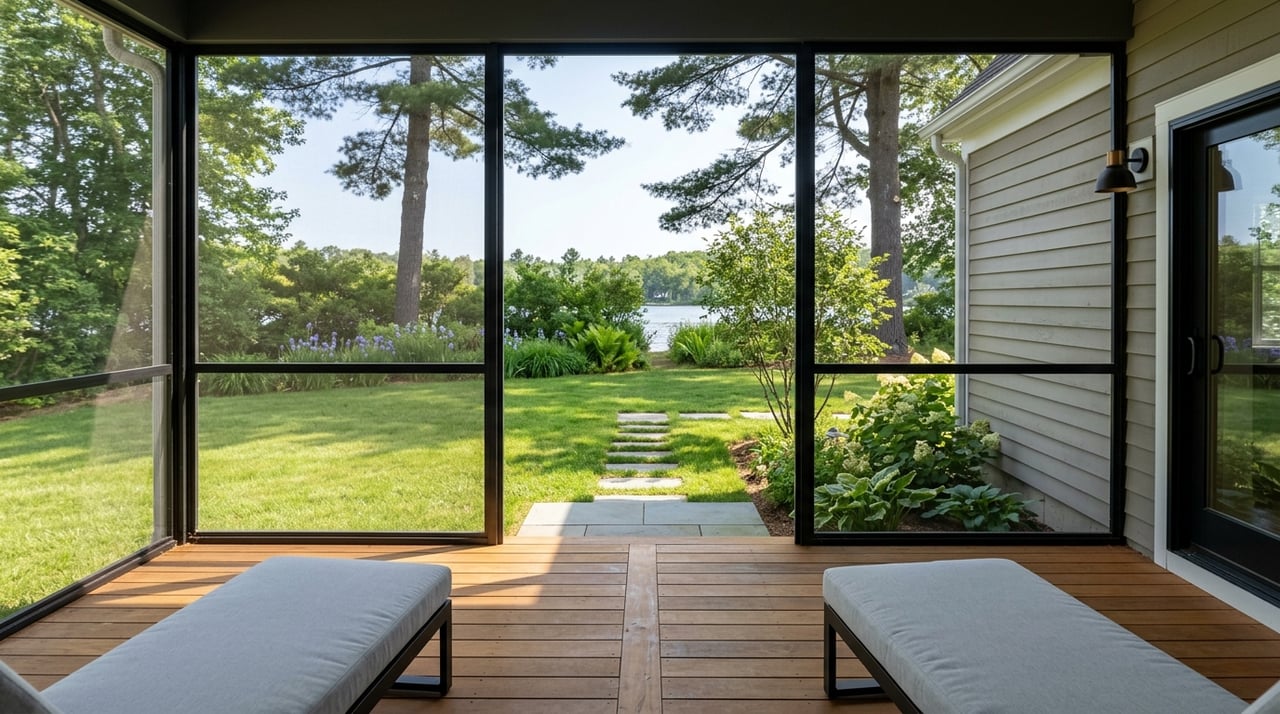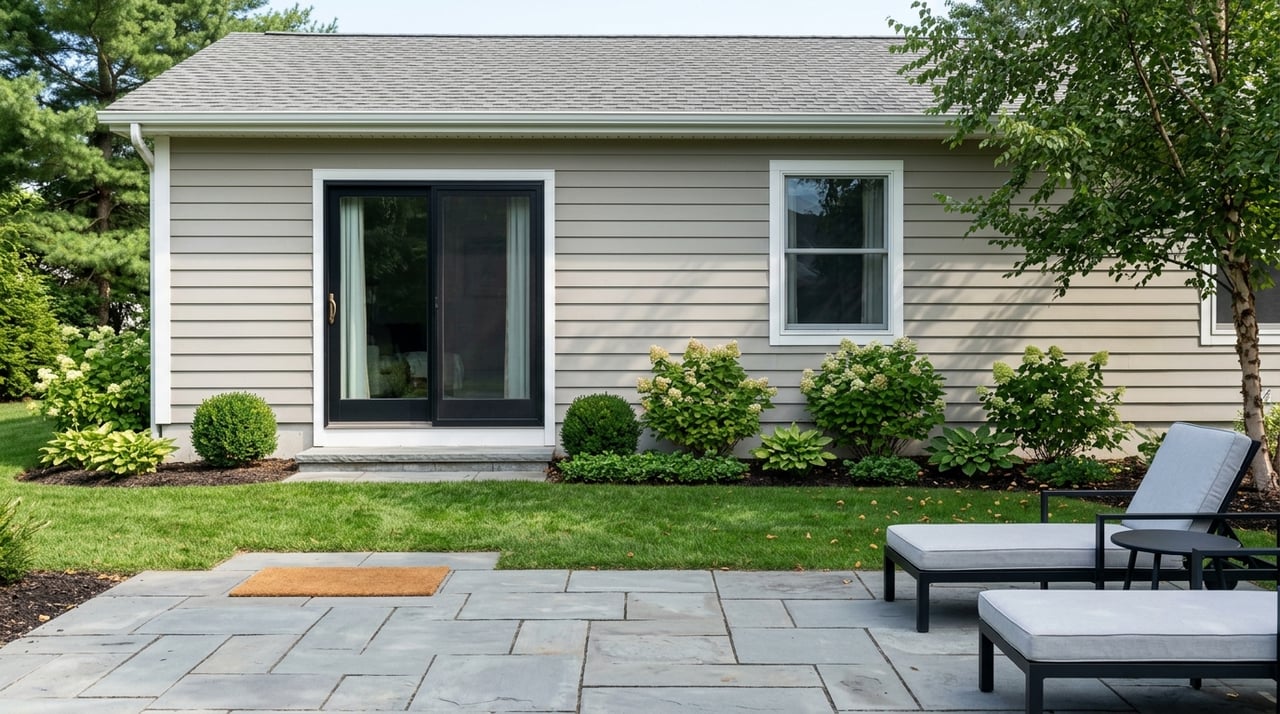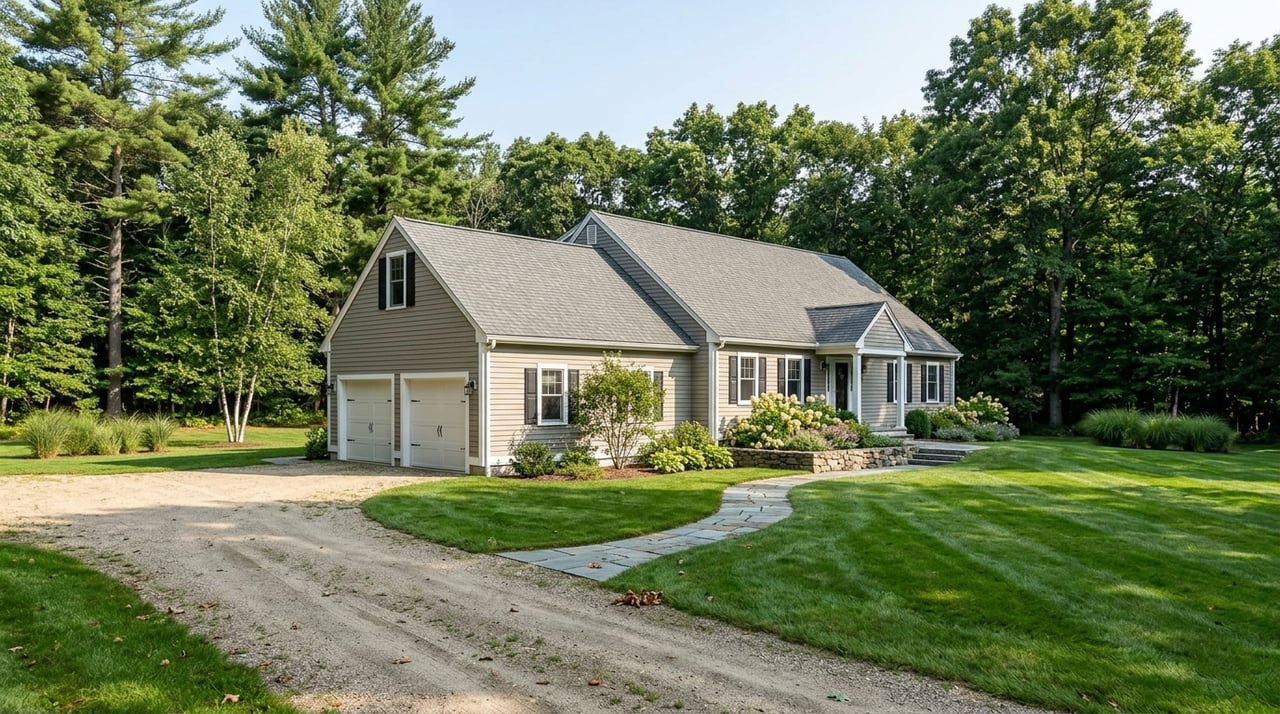
If you are dreaming about more elbow room, a little privacy, and a property that does not feel packed in, Schaghticoke may already be on your radar. It appeals to buyers who want land and a quieter setting, but it also comes with practical questions about utilities, access, and what you can actually do with a parcel. This guide will help you understand how Schaghticoke fits different lifestyles, what to look for in the local housing and land market, and which details matter most before you buy. Let’s dive in.
Why Schaghticoke Stands Out
Schaghticoke has a distinctly rural profile within Rensselaer County. Census estimates show about 7,340 residents spread across 49.74 square miles, which works out to roughly 149.7 people per square mile. That low-density pattern helps explain why many buyers look here for space, privacy, and a more open feel.
It is also a community with a strong ownership base. The owner-occupied housing rate is 90.2%, and the median value of owner-occupied homes is $249,500. Together, those numbers suggest a market shaped more by long-term homeowners than by dense, high-turnover housing.
Schaghticoke is not just one compact center. Town code notes that the town includes the Village of Schaghticoke and the north-side portion of the Village of Valley Falls, so the setting can vary from village-edge lots to open-country parcels. That mix gives you more than one way to live here.
What Lifestyle Fits Schaghticoke
If you want room for a garden, a detached garage, outdoor hobbies, or simply fewer close neighbors, Schaghticoke may feel like a natural fit. Town rules related to farming and subdivision planning emphasize preserving rural character, open space, and farmland. That local framework supports the type of setting many acreage buyers are after.
At the same time, this is generally a car-based lifestyle. The town’s road network and corridor planning around Routes 40 and 67 reflect a rural community with hamlets and village nodes rather than a dense downtown pattern. Census data also show an average commute time of 27.8 minutes, which supports the idea that many daily needs involve driving.
That does not make Schaghticoke inconvenient. It means your tradeoff is usually less walkability in exchange for more land, more separation between homes, and a small-town feel tied to nearby regional hubs.
Land and Lot Sizes You May See
Current listings show that Schaghticoke remains very much an acreage market. Recent examples include properties on about 0.23, 0.54, 0.62, 0.74, 0.95, 1.26, 1.71, 1.87, 2.19, 3.01, and 3.47 acres, along with a 5-acre lakefront parcel. Based on those active listings, many homes and land opportunities appear to fall roughly in the half-acre to 3-plus-acre range, with some larger parcels also available.
That range matters because it gives buyers choices. Some properties near village areas offer a more compact lot and easier upkeep. Others provide wooded surroundings, added privacy, and more flexibility for how you use the land.
The key is not to assume every Schaghticoke property offers the same experience. One address may feel more like a village setting, while another may feel much more rural even if both are in the same town.
Village-Edge vs. Rural Parcels
A smaller lot near a village area may work well if you want less maintenance and a more traditional neighborhood layout. You may still get more breathing room than in denser communities, but without taking on several acres of mowing, snow removal, or general property care.
A larger rural parcel may be better if your priority is privacy, outdoor space, or a custom-home feel. These properties can be appealing, but they often require closer review of driveway access, utilities, and buildability. More land can create more opportunity, but it can also bring more questions.
When you compare options, think beyond the number of acres. Consider how much usable land there is, how the parcel is shaped, where the road access sits, and what the day-to-day upkeep will really feel like.
Why Due Diligence Matters Here
In Schaghticoke, parcel-specific research is especially important. The town’s zoning law is kept separately in town offices, which means broad assumptions about what you can build or change are not enough. Before you fall in love with a property, you want clear answers about that exact parcel.
This is especially true if you are considering vacant land, a home with extra acreage, or a future subdivision opportunity. Schaghticoke’s local rules are designed to preserve rural character, so planning details can have a major effect on what is realistic.
A careful review upfront can save time, money, and frustration later. In a market like this, the land itself is often a big part of the value, so understanding its limits is just as important as liking the house.
Key Questions for Acreage Buyers
If you are buying land or a home on a larger parcel, start with a practical checklist. A few early questions can quickly tell you whether a property fits your plans.
Ask about:
- Whether the parcel is already buildable under current town zoning rules
- Whether the lot may trigger county septic review because it is under five acres or part of a larger subdivision
- Whether access is from an approved street
- Whether the property uses a standard driveway, shared drive, or more limited frontage setup
- Whether any subdivision plans would trigger extra review under town rules
These questions are not just technical details. They shape your budget, timeline, and confidence in the purchase.
Subdivision Rules to Know
For larger tracts, Schaghticoke has cluster and conservation subdivision rules that are meant to protect open land and agricultural blocks. When three or more parcels are proposed to be subdivided from contiguous land of 20 acres or more, the Planning Board must require a cluster or conservation design. The total number of allowed dwellings also cannot exceed what the zoning law would otherwise permit.
For a buyer, the takeaway is simple. If you are eyeing a large tract because you hope to divide it later, you need to understand that preservation-focused design rules may shape how that happens.
The town’s subdivision rules also tie buildability to practical infrastructure. Lots must comply with zoning and be buildable with access from an approved street, which means road layout and frontage are not small details.
Septic Approval Can Be a Front-End Issue
In Schaghticoke, wastewater feasibility often needs attention early in the process. The Planning Board may require a septic permit from the Rensselaer County Department of Health before final plat approval. For subdivisions creating four or more lots, or for any subdivision with lots under five acres, county septic approval is required for all lots before final plat approval.
That matters even if you are not a developer. If you are buying a parcel with the intent to build, improve, or divide it later, septic feasibility can affect whether your plan works at all.
Rensselaer County’s Environmental Health Division reviews plans for individual wastewater treatment systems, inspects new and replacement systems, and handles the permit pathway for these systems. That makes county review an important part of land-buying due diligence.
Wells, Septic, and Utility Reality
Many buyers assume a rural town means every property has a private well and septic system. In Schaghticoke, that is not always the case. State and county records show that some parcels are served by public water systems, including Schaghticoke (V) PWS, Schaghticoke Consolidated Water District #1, and Water Districts #2 and #3, and some residences are billed by the Rensselaer County Sewer District.
The practical takeaway is to verify utility service by parcel, not by town name. Two homes in the same town may have very different utility setups. That difference can affect maintenance, future improvements, and monthly costs.
If a property does use private systems, routine care matters. New York State guidance says septic systems generally should be pumped every two to three years, and private wells should be tested at least once a year for bacteria and every three to five years for other contaminants.
Access and Commute Expectations
Schaghticoke’s transportation pattern centers on the Route 40 and 67 corridor. Local planning documents describe a community focused on preserving a rural, small-town feel while addressing traffic along those routes. In practical terms, that means many buyers experience the area through local roads, hamlets, and village edges rather than through a compact urban street grid.
For many people, that is part of the appeal. You can enjoy space and a quieter setting while staying connected to other parts of Rensselaer County and the broader Capital Region by car.
If your routine involves commuting, school drop-offs, errands, or frequent trips to nearby towns, it helps to think through those drives before you buy. The setting may be peaceful, but the lifestyle still depends on how the road network fits your day.
Is Schaghticoke Right for You?
Schaghticoke may be a strong match if you want more land, lower-density surroundings, and a property that feels less compressed than homes in busier suburban pockets. It can also be a smart option if you are open to a car-based routine and you value privacy, open space, or the possibility of a larger parcel.
It may require a little more homework than a more typical neighborhood search. In this market, questions about zoning, utilities, septic review, and access can matter as much as square footage or finishes.
If you want help comparing village-edge homes, acreage properties, or buildable land in Schaghticoke, Teri Kraszewski can help you sort through the details and find the right fit for your goals.
FAQs
Is Schaghticoke a good place to find homes with land?
- Yes. Current listings show many properties in Schaghticoke on roughly half-acre to 3-plus-acre lots, along with occasional larger tracts.
Do all Schaghticoke properties use private well and septic?
- No. Some parcels are served by public water systems, and some residences are connected to the Rensselaer County Sewer District, so utility service should always be verified by parcel.
What should buyers ask before buying land in Schaghticoke?
- Buyers should ask whether the parcel is buildable under town zoning, whether septic review may be required, whether access is from an approved street, and how the driveway or frontage works.
Do subdivision rules matter for larger parcels in Schaghticoke?
- Yes. For contiguous parcels of 20 acres or more where three or more parcels are proposed, the town requires cluster or conservation subdivision design through the Planning Board.
What is daily life like in Schaghticoke for buyers moving from a denser area?
- Schaghticoke generally offers a more rural, car-based lifestyle with more open space, village-edge and country settings, and access to nearby towns through the Route 40 and 67 corridor.