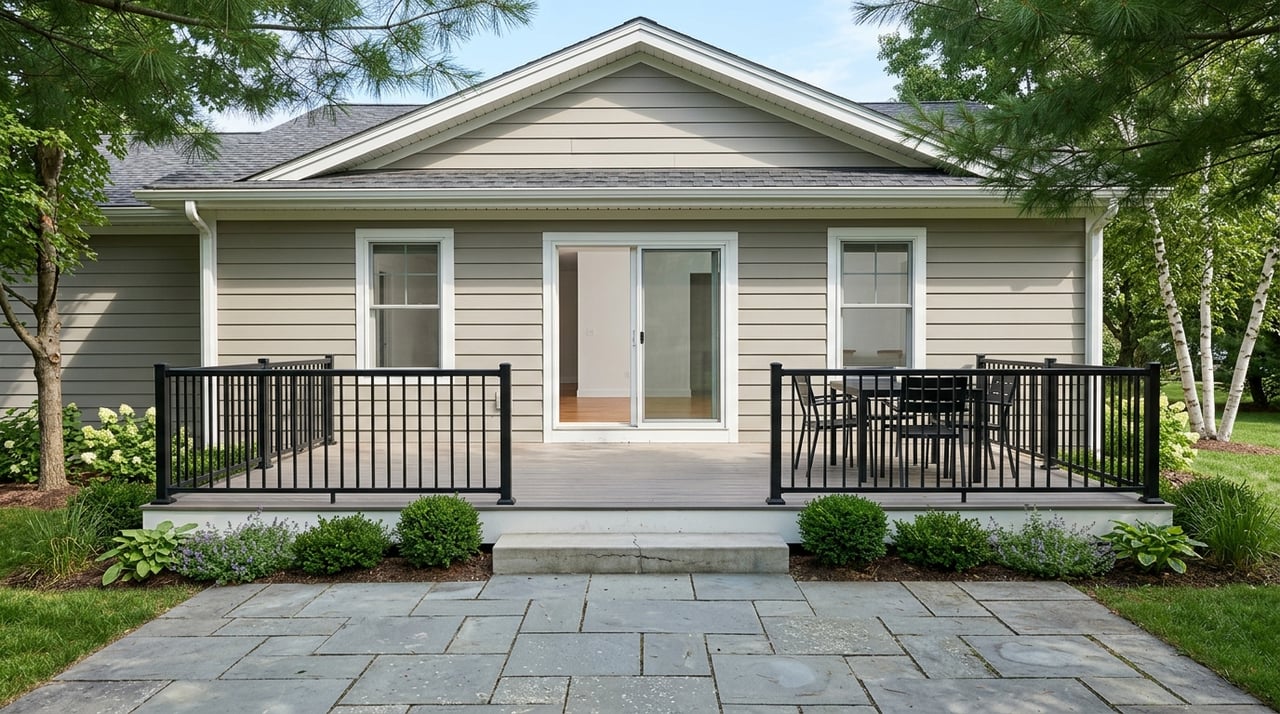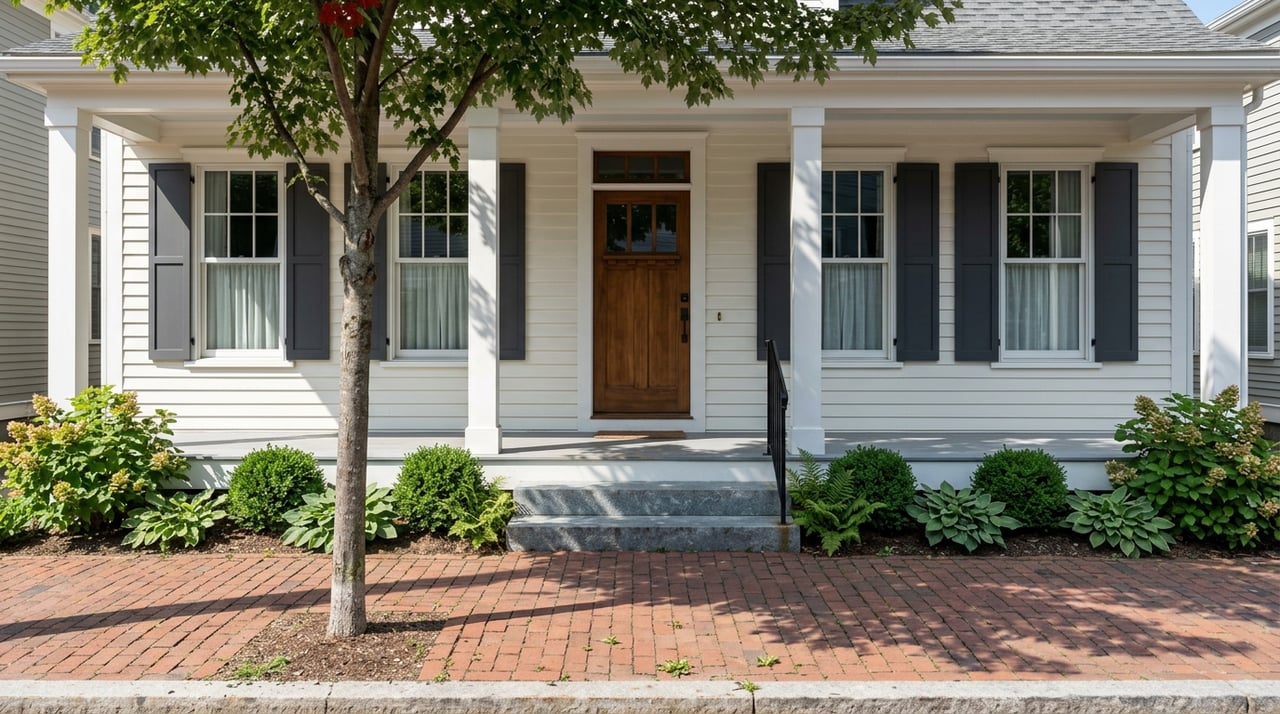
Dreaming about more space, more privacy, and a little more elbow room without losing access to the Capital Region? Schaghticoke gives you a mix that can be hard to find: rural land, country homes, hamlet and village properties, and commuter convenience in one market. If you are thinking about buying land or a country home in Schaghticoke, this guide will help you understand what to look for, what questions to ask, and where extra due diligence matters most. Let’s dive in.
Why Schaghticoke Appeals to Rural Buyers
Schaghticoke is a small town in northwestern Rensselaer County with a 2020 population of 7,445. Local planning materials emphasize preserving rural character, protecting agricultural land, and keeping development in line with the town’s small-town setting.
For you as a buyer, that means Schaghticoke is not just one type of market. You may find a compact village or hamlet setting in one area and lower-density rural acreage in another. The Route 40 corridor has also seen commuter pressure from Albany and Troy, which makes the town especially appealing if you want country living with practical regional access.
What Types of Properties You May Find
Village and hamlet homes
If you are shopping near the Village of Schaghticoke, you may see homes with access to the public water system. That can be a major difference from outlying properties, where private systems are more common.
For many buyers, this means a village or hamlet home may offer a simpler utility setup than a more rural parcel. Still, you should confirm utility service at the property level instead of assuming it based on the mailing address.
Country homes on larger lots
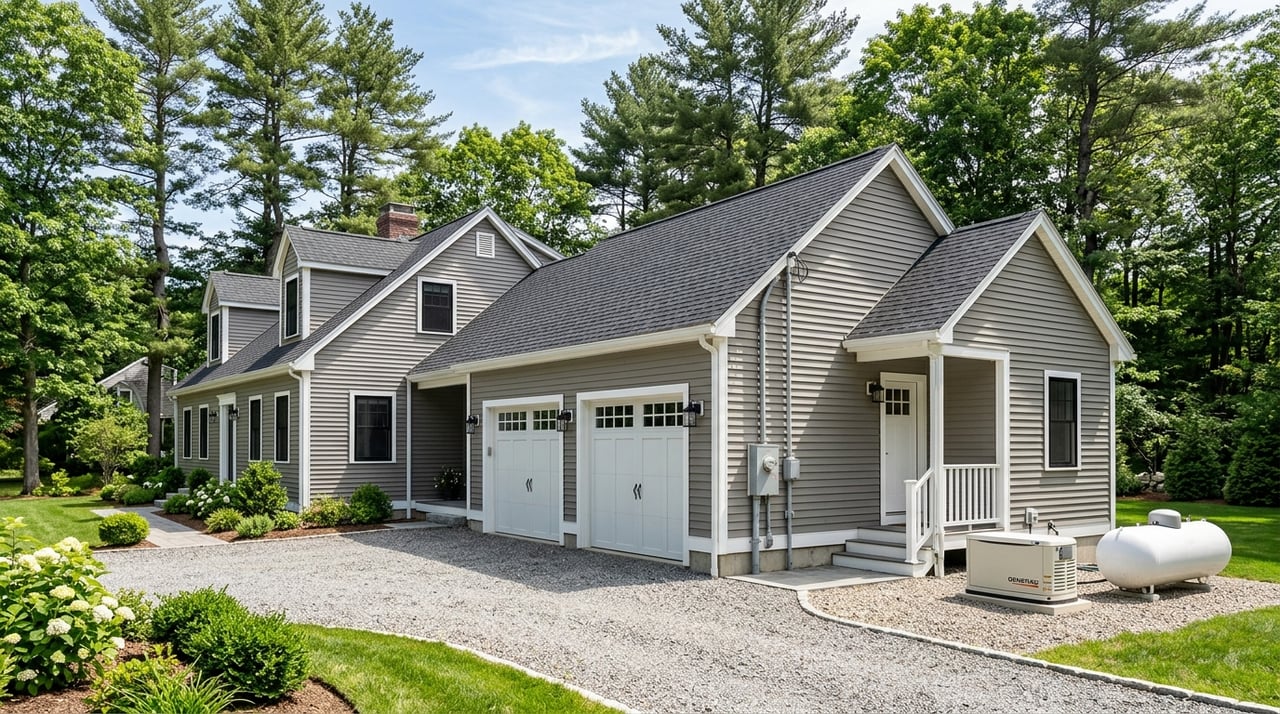
Schaghticoke’s planning and subdivision materials consistently frame the town as rural and agricultural. That supports the kind of housing many buyers picture when they think of country living: detached homes on larger lots, more separation from neighbors, and room for outdoor use.
These properties can offer flexibility and privacy, but they also tend to require more verification around water, septic, drainage, and access. In Schaghticoke, the land itself often matters as much as the house.
Farm-adjacent properties
Some parts of Schaghticoke are within agricultural districts. If you are buying near active farmland, that context matters because New York protects farming operations from local restrictions that unreasonably interfere with farm use.
That does not make these properties less appealing. It simply means you should understand the setting clearly and ask whether the parcel is in an agricultural district or near land that is actively farmed.
Subdivision-style development
The Route 40 corridor study also notes suburban-style subdivision development in parts of the area. So while Schaghticoke is known for its rural character, you may also find properties that feel more like a traditional residential development than a country parcel.
This variety is one reason local guidance matters. Two homes in the same ZIP code can offer very different living patterns, utility arrangements, and development potential.
Utilities Can Vary by Property
Public water versus private wells
One of the biggest mistakes buyers can make is assuming utilities are uniform across Schaghticoke. They are not. The Village of Schaghticoke has a public water system, but elsewhere you may be looking at a private well.
That is why parcel-level verification is so important. Before you move forward, confirm whether the property is on public water or depends on a private well and what that means for your inspection and financing path.
Sewer versus septic systems
Wastewater is another major issue for country-home buyers. The Rensselaer County health department reviews new and replacement wastewater systems and subdivision sanitary plans, and the county sanitation code requires permits before constructing or altering an individual sewage treatment system where applicable.
If the home is not connected to public sewer, you should ask about the septic system’s age, condition, permits, and whether county review may be needed for repair or replacement. This is not a minor detail. It can affect both cost and timing.
Utility service is not the same in every hamlet
A useful local example comes from the Route 40 corridor study, which described Melrose as having no sewer service and limited public water at that time. Even if conditions can change over time, the takeaway is clear: service levels can vary sharply by hamlet and corridor segment.
For you, that means every property needs its own review. A Schaghticoke address does not tell you enough on its own.
Land and Buildability Matter More Here
Road access and frontage
In a suburban purchase, buyers often focus mainly on the structure and lot size. In Schaghticoke, road frontage, driveway access, and overall buildability can be just as important.
That is especially true if you are buying vacant land or a house with plans for expansion, outbuildings, or future construction. You want to know not just what the parcel looks like, but what local standards allow you to do with it.
Stormwater and site work review
Schaghticoke requires stormwater pollution prevention plan approval before certain development applications can be approved. The town’s stormwater rules also require erosion and sediment control planning and set review time frames.
If you are planning major site work, subdivision activity, or new construction, this can add steps to the timeline. It is one reason country-home and land purchases often move more slowly than a typical suburban deal.
Floodplain and watercourse concerns
The town has a flood damage prevention chapter, and its stormwater rules are designed to minimize flood flows and protect watercourses and groundwater recharge. If you are considering low-lying acreage or land near a creek or watercourse, expect extra due diligence.
This does not automatically rule out a property. It does mean you should verify flood hazard questions early so you can make an informed decision.
Financing Land and Country Homes
Raw land is often financed differently
If you are buying vacant land, financing may be more restrictive than you expect. Fannie Mae states that it does not purchase or securitize mortgages on vacant land, agricultural properties, or properties that are not readily accessible by roads meeting local standards.
In plain terms, that means raw land and some acreage parcels often do not fit the same financing path as a standard suburban home. If financing is part of your plan, it helps to sort that out early.
USDA may fit some rural buyers
USDA’s Section 502 Guaranteed Loan Program can be a useful option for eligible buyers purchasing, building, rehabilitating, improving, or relocating a primary residence in eligible rural areas. For qualified borrowers, the program allows no money down.
USDA also states there is no set acreage limit, but the site must be typical for the area and cannot be principally income-producing. That can make USDA especially relevant if you want a primary residence with some land, but not a farm or income-focused property.
FHA may require more utility documentation
For buyers considering FHA financing, utility details can become even more important. HUD’s FHA handbook includes minimum property requirements for wells and septic systems on insured homes.
That means a rural property may require more documentation or closer review than a standard resale in a fully serviced suburban neighborhood. If a home relies on private systems, it is smart to ask about those requirements early in the process.
Agricultural Use Can Affect Taxes and Expectations
New York’s agricultural assessment program can reduce property taxes on land used in agricultural production by valuing the land for agricultural use instead of full development value. If a parcel is farmed or may qualify, that can affect ongoing holding costs.
At the same time, agricultural land comes with a different context than a typical residential lot. If you are considering acreage or farm-adjacent property, ask questions about current use, district status, and whether that setup fits your goals.
Why Timelines Often Run Longer
A Schaghticoke country-home purchase can close smoothly, but it often includes more moving parts than a suburban home search. Survey work, access review, well testing, septic review, flood or wetland screening, stormwater approvals, and possible subdivision questions can all shape the timeline.
The town also has a defined permit process. Building permits are required before work starts, inspections take place during construction, and a certificate of occupancy is required before use. Permits must start within six months and expire after 12 months unless extended.
If you are buying an existing home, some of these issues may already be settled. If you are buying land or planning major changes, the timeline can become much more procedural.
Smart Questions To Ask Before You Buy
Before you commit to land or a country home in Schaghticoke, keep these questions in front of you:
- Is the property on public water or a private well?
- Is it connected to public sewer or served by a septic system?
- Are there permits or county reviews tied to septic repair or replacement?
- Does the parcel have the road access and frontage needed for your plans?
- Is any part of the land in a flood hazard area, near wetlands, or near a watercourse?
- Is the parcel in an agricultural district or next to active farmland?
- If you plan to build, will stormwater review or other local approvals be required?
- Will your intended financing fit the property type?
These questions can help you avoid surprises and compare properties more confidently. In Schaghticoke, a great purchase is often about the full picture, not just the listing photos.
How Local Guidance Helps
Buying land or a country home is different from buying a standard neighborhood house. You are not only evaluating bedrooms and finishes. You are also looking at systems, access, zoning-related considerations, site conditions, and local process.
That is where experienced local guidance can make a real difference. With Schaghticoke properties, the right approach is careful, parcel-specific, and practical from day one.
If you are exploring land, acreage, or country homes in Schaghticoke, working with a local team can help you narrow the right fit, ask the right questions, and move forward with more confidence. When you are ready to start your search, connect with Teri Kraszewski for knowledgeable, responsive guidance across the Capital Region.
FAQs
What types of homes can you find in Schaghticoke, NY?
- You may find village and hamlet homes, country homes on larger lots, farm-adjacent properties, and some subdivision-style development depending on the area.
Do Schaghticoke, NY properties all have public water?
- No. The Village of Schaghticoke has a public water system, but many outlying properties may rely on private wells, so you should verify service for each parcel.
Do country homes in Schaghticoke, NY usually have septic systems?
- Many rural properties may use septic systems rather than public sewer, and septic permits, condition, and county review can be important parts of due diligence.
Can you finance land in Schaghticoke, NY like a regular home?
- Not always. Vacant land and some agricultural or hard-to-access properties may follow a different financing path than a typical suburban home purchase.
Is USDA financing available for rural homes in Schaghticoke, NY?
- USDA may be a useful option for eligible buyers purchasing a primary residence in an eligible rural area, including homes with land that is typical for the area and not principally income-producing.
What should you check before building on land in Schaghticoke, NY?
- You should confirm buildability, road access, water and septic setup, flood or watercourse issues, stormwater review requirements, and any needed local permits before moving ahead.