Imagine stepping onto your dock with coffee in hand as the morning mist lifts off Ballston Lake. If you’re picturing quiet paddles at sunrise, lively summer boating, and cozy winter ice fishing, you’re in the right place. Buying on the lake is exciting, but waterfront comes with unique rules, inspections, and costs that you want to get right. In this guide, you’ll learn what Ballston Lake living looks like, what homes typically cost, how dock and sewer rules work, and the exact steps to buy with confidence. Let’s dive in.
Ballston Lake at a glance
Ballston Lake is a long, narrow lake of about 274 acres with a mean depth of roughly 22 feet and about 6.8 miles of shoreline. You’ll find warm‑weather boating, kayaking, skiing, and a close-knit community vibe with seasonal events. There’s a free public fishing pier and car‑top launch at the north end near Outlet Road, and a private fee-based launch at a lakeside restaurant. For a quick overview of access, size, and local recreation, review the New York State DEC’s Ballston Lake page at the start of your search. You can browse those lake facts and access options on the DEC’s Ballston Lake page.
- Explore lake facts and public access on the DEC’s Ballston Lake page: Ballston Lake overview and access
What waterfront homes cost
Waterfront homes in this area vary widely by frontage, lot size, house condition, and whether the property is connected to sewer. Area data showed a median listing price around the mid to upper six hundreds as of early 2026 for the broader Ballston Lake area, not just waterfront. On the water, you can expect a wide band. Smaller or seasonal cottages have traded from the low to mid 200s up into the 400s, while many year‑round homes with solid frontage sell in the $500k to $700k+ range. Larger parcels or estate settings can approach the million‑dollar mark depending on improvements.
What should matter most to you are the specifics: linear feet of frontage, water depth at the dock, orientation for sun and views, lot grading, and the status of utilities and shoreline structures. Two similar homes on different parts of the lake can sell very differently. Pair price expectations with a strong review of permits, utilities, and shoreline condition before setting an offer.
Water quality and lake ecology
Ballston Lake is nutrient‑rich and has documented invasive aquatic plants like Eurasian watermilfoil and water chestnut, as well as zebra mussels. Seasonal shoreline algae events, including cyanobacteria, can occur and may affect swimming, water clarity, and aesthetics at times. This is common on many regional lakes and is actively monitored by volunteers and the state. If summer swimming or water access is a top priority for you, review recent monitoring reports and talk with neighbors along your target stretch of shoreline.
- See long‑term monitoring and water quality context: DEC CSLAP report for Ballston Lake
Docks, moorings, and shoreline rules
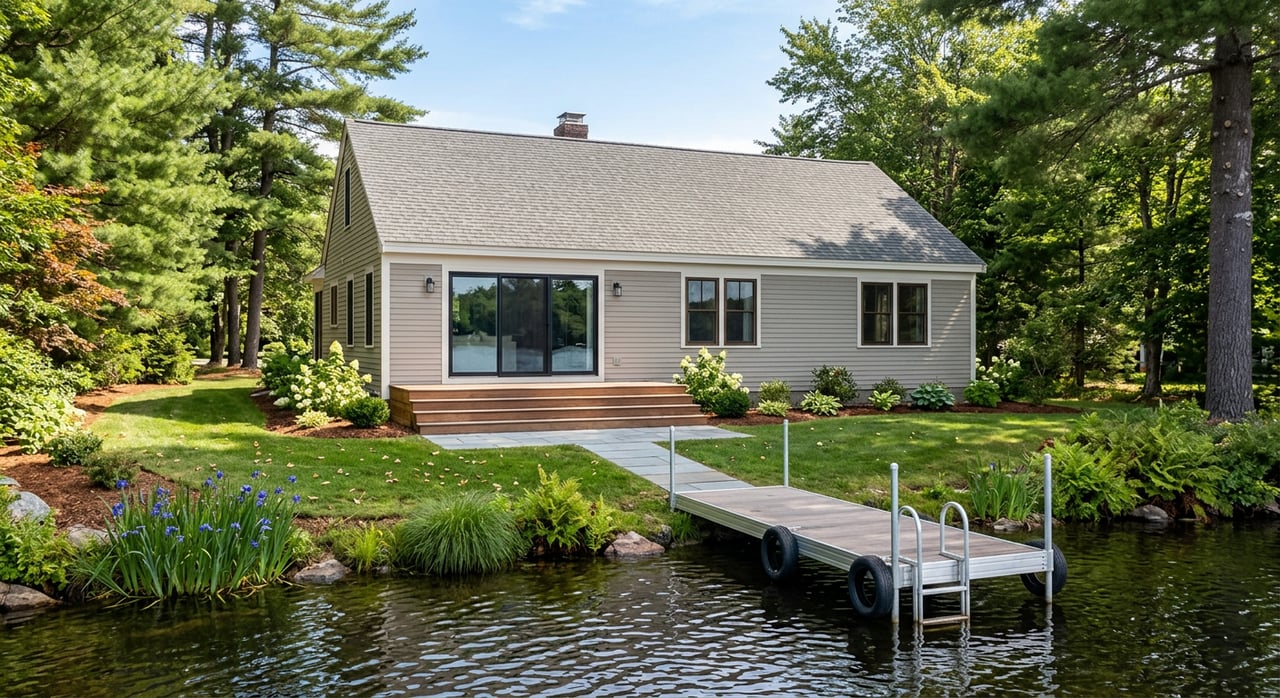
Ballston Lake has local dock, mooring, and boathouse rules you should know before you buy or plan improvements. A Town of Ballston permit is required to build or replace a dock. The maximum dock surface area is generally 350 square feet per lot, and docks usually cannot extend more than about 35 feet from the mean high‑water mark. Mooring and float limits, setback rules, and boathouse height limits also apply. Marinas are not permitted on Ballston Lake.
- Review local dock and mooring rules: Town of Ballston dock ordinance
Ownership of underwater lands is also a factor. In many cases the State retains title to submerged lands beyond the mean high‑water line. In‑water structures can require state review in addition to local permits. Before you rely on a seller’s dock claim, confirm the deed’s language and ask your attorney and title company to verify recorded rights and any state authorizations.
- Learn how state underwater land rules affect docks: OGS guidelines for water structures
Sewer, wells, and utilities
Historically, most Ballston Lake homes used private septic systems and wells. A multi‑phase Ballston Lake sewer project has moved forward and certain areas now require connection under the Town’s sewer law. What this means for you: confirm whether your target home is inside the sewer district, whether it is already connected, how many EDUs are assigned, if a grinder pump is required, and what the total hookup and restoration costs are.
- Track local sewer project updates: Ballston Lake Improvement Association sewer updates
- Understand the connection process and requirements: Town Sewer Connection Manual
If the property is not yet connected and a connection is mandatory, budget for decommissioning the septic tank and restoring any disturbed yard, driveway, or hardscape. If connection is not available at the property, a thorough septic inspection and well test become even more important.
Inspections and due diligence checklist
Waterfront purchases call for a few extra steps. Build these into your offer timeline and contingencies.
- Home inspection with a lakefront focus. Ask your inspector to pay close attention to foundation, shoreline-side grading and drainage, roof and siding weathering, and any outbuildings.
- Septic inspection and records. Request pump and service records. If a private system is in use, have a licensed pro inspect the tank and fields and budget for repairs if the system is older. The EPA recommends routine inspections every 1 to 3 years and pumping every 3 to 5 years.
- Septic care guidance: EPA septic system recommendations
- Private well testing. Test for coliform bacteria, nitrates, and regionally relevant contaminants. This is recommended annually and also prior to purchase. If you plan to use the home seasonally, ask about well yield and flow.
- Complete testing guide: Private well testing basics
- Dock and shoreline inspection. Have a marine contractor assess dock framing, piles, and any bulkhead or riprap. Confirm the existing dock or mooring was permitted under Town rules and, if applicable, under state requirements. Keep copies of any permits for your records.
- Permit rules reference: Town dock ordinance
- Flood zone and insurance. Ask your lender for an early flood determination and check FEMA maps so you know if flood insurance will be required. Many buyers near lakes choose flood coverage even outside high‑risk zones. Standard NFIP policies do not typically cover docks or seawalls, so confirm coverage details with your insurance agent.
- Lender and flood coverage rules: Flood insurance compliance overview
Financing and appraisal tips
Appraising waterfront homes is more complex because each shoreline parcel is unique and comparable sales are limited. Lenders often ask for more detail on frontage, view, flood risk, and site characteristics. That can affect timelines and underwriting. If you are financing, work with a local lender that understands lakefronts and seasonal-use questions, and plan for a bit more appraisal discussion than a standard suburban purchase.
- Appraiser guidance on unique properties: Agency appraisal guidelines reference
A simple 10‑step roadmap for buyers
Follow this path to reduce surprises and negotiate from a position of strength.
- Define must‑haves. Decide if you need true deeded frontage or if shared or association access can work. Ask the listing agent to confirm deeded shoreline.
- Pull the deed and survey early. Confirm frontage, any easements, and riparian language. If anything is unclear, loop in your attorney and title company for review of recorded rights and any state interests in underwater lands.
- Reference: OGS guidelines for water structures
- Check local permits. Review the Town’s dock ordinance and ask for records of approved dock or shoreline work on the property.
- Order key inspections. Schedule a full home inspection, septic inspection, and private well test before you waive contingencies.
- Septic: EPA septic recommendations
- Inspect the dock and shoreline. Have a marine pro estimate near‑term maintenance or replacement needs and confirm permitting history.
- Get a flood determination early. Talk with your lender about flood zone status, required coverage, and how that affects escrow and payments.
- Overview: Flood insurance requirements
- Confirm sewer status and costs. Verify if the lot is in the sewer district, whether connection is required, and what the hookup and restoration will cost.
- District update: BLIA sewer project updates
- Process and forms: Town Sewer Connection Manual
- Get insurance quotes. Price homeowners and optional flood coverage, and clarify what is and is not covered for docks or shoreline structures.
- Plan financing and appraisal. Choose a lender with local waterfront experience and discuss likely comps and appraisal timing up front.
- Reference: Appraisal guidelines
- Lock in timelines and documents. Build enough time for inspections and municipal confirmations, and collect septic, dock, and shoreline permits for your file before closing.
How to compare two Ballston Lake homes
If you are stuck between two listings, line them up by the factors that move value the most.
- Frontage quality. Not just feet of frontage, but depth at the dock, weed growth, and exposure to wind and boat traffic.
- Utilities. Is sewer connected or required soon, and what would a hookup cost. If on septic, how old is the system and what do inspection results show.
- Shoreline stability. Look for evidence of erosion, aging bulkheads or riprap, and recent permitted work.
- View and orientation. Sun path, privacy across the water, and placement of neighboring docks.
- Insurance and flood risk. Any mandatory flood coverage and the impact on your budget.
Small differences in these areas can justify big price gaps. Use them to compare apples to apples and to shape your offer and contingency plan.
Buy with a local, boutique team
If you want a clear plan, vetted vendors, and calm guidance from search to closing, our family-led team is here to help. TK Homes blends hands-on, boutique service with Howard Hanna’s reach so you get local expertise plus strong support. Ready to talk strategy, off‑market options, and timing that fits your life. Connect with Teri Kraszewski to start your Ballston Lake search.
FAQs
How big is Ballston Lake and what can you do there
- It’s about 274 acres with a mean depth near 22 feet, offering boating, kayaking, fishing, and winter ice fishing, plus public access at the north end.
What are the basic dock rules on Ballston Lake
- A Town permit is required, dock surface is generally capped at 350 square feet, extension is usually limited to about 35 feet, and one mooring per lot is typical under local rules.
How does the Ballston Lake sewer project affect buyers
- Some areas require mandatory connection, so you must verify district status, whether the home is connected, and the total hookup and restoration costs before you offer.
Are algae or invasive plants a concern when buying here
- The lake is nutrient‑rich with documented invasive plants and periodic cyanobacteria events, so review recent DEC monitoring and plan for seasonal variability.
Do you need flood insurance for a Ballston Lake home
- Your lender will check if the home is in a Special Flood Hazard Area, which can require flood insurance, and many buyers near lakes choose optional coverage anyway.
What do Ballston Lake waterfront homes usually cost
- Expect a wide range from the low to mid 200s for some cottages up to the high six hundreds and beyond for larger year‑round homes, with estates approaching seven figures.